Jin Martini
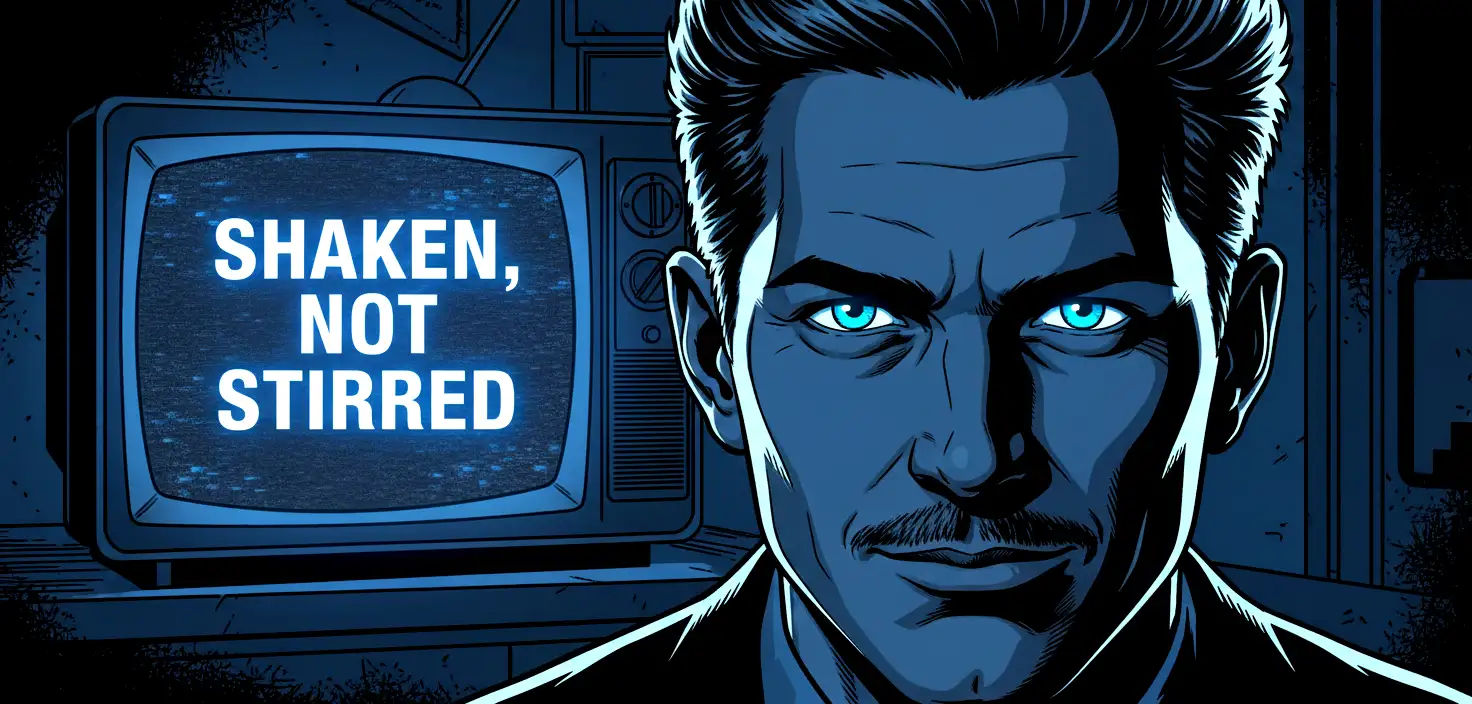
Meet Jin Martini, the visionary film director from the gloriously peculiar town of West Bromwich — a place where creativity thrives, mainly because there’s not much else to do. With a flair for the unconventional and a habit of tackling modern issues with the confidence of a man who’s never once read the comments section, Martini has become the unexpected darling of the documentary world. Think of him as a British cinematic phoenix, rising majestically from the ashes of mediocre filmmaking — only to immediately trip over a traffic cone and pretend it was intentional.
Martini’s films have a knack for hypnotising audiences while shining a spotlight on society’s most pressing absurdities. He dives into the human condition with the enthusiasm of a toddler let loose in a ball pit, challenging stale narratives and offering perspectives so fresh they practically slap you across the face. Viewers leave his films both enlightened and mildly confused, which is exactly how he likes it.
One of his early triumphs, There’s a Stan in My Basement (2015), follows the touching yet deeply concerning tale of a celebrity-obsessed oddball hiding in suburbia. It’s a moving exploration of loneliness, identity, and the baffling urge some people have to defend millionaires online as though they’re on the payroll. Martini somehow makes you empathise with a man who spends his evenings in a basement wearing a sequinned glove and tweeting furiously at strangers. A miracle, really.
Then came 2017’s How to Survive an Onslaught of Glorification Farts, a bold exposé on the toxic fumes of celebrity worship. With the grace of a cat stuck halfway up a tree and refusing to admit it needs help, Martini navigates the murky world of ego-chasing, delusion, and the kind of fans who treat criticism of their idol like a personal war crime. It’s a gentle reminder that maybe — just maybe — your self-worth shouldn’t hinge on defending a pop star’s honour on Twitter at 3am.
By 2019, Martini delivered I Escaped the Cult of Celebrity, a gripping look at former superfans who bravely clawed their way out of the algorithmic abyss. Through raw, honest interviews, he reveals the emotional toll of living life through fan edits, conspiracy threads, and the belief that owning 47 commemorative mugs is a personality. It’s like therapy, but with better lighting and fewer people crying into their hoodies.
And then there’s his 2021 masterpiece, I Once Saw a Leprechaun Called Ben from Cornwall. This cinematic gem chronicles the rise and fall of a fully grown man named Ben — a self-appointed cult leader on Twitter whose devotion to his idol is so intense he once projected their face onto Edinburgh Castle like some sort of budget Batman signal. Between organising mass-reporting campaigns, diagnosing strangers’ mental health with all the authority of a damp sponge, and phoning into talk radio under a fake alias to defend his hero while pretending not to be a fan, Ben becomes the perfect case study in what happens when fandom goes from “harmless hobby” to “full-time lifestyle choice”.
Through his inventive storytelling and unwavering commitment to exposing the delightful madness of modern celebrity culture, Jin Martini has carved out a permanent place in documentary history. As he continues to push boundaries and poke the bear (or in this case, poke the fanbase that insists the bear invented music), one thing’s certain — with Martini behind the camera, boredom doesn’t stand a chance.